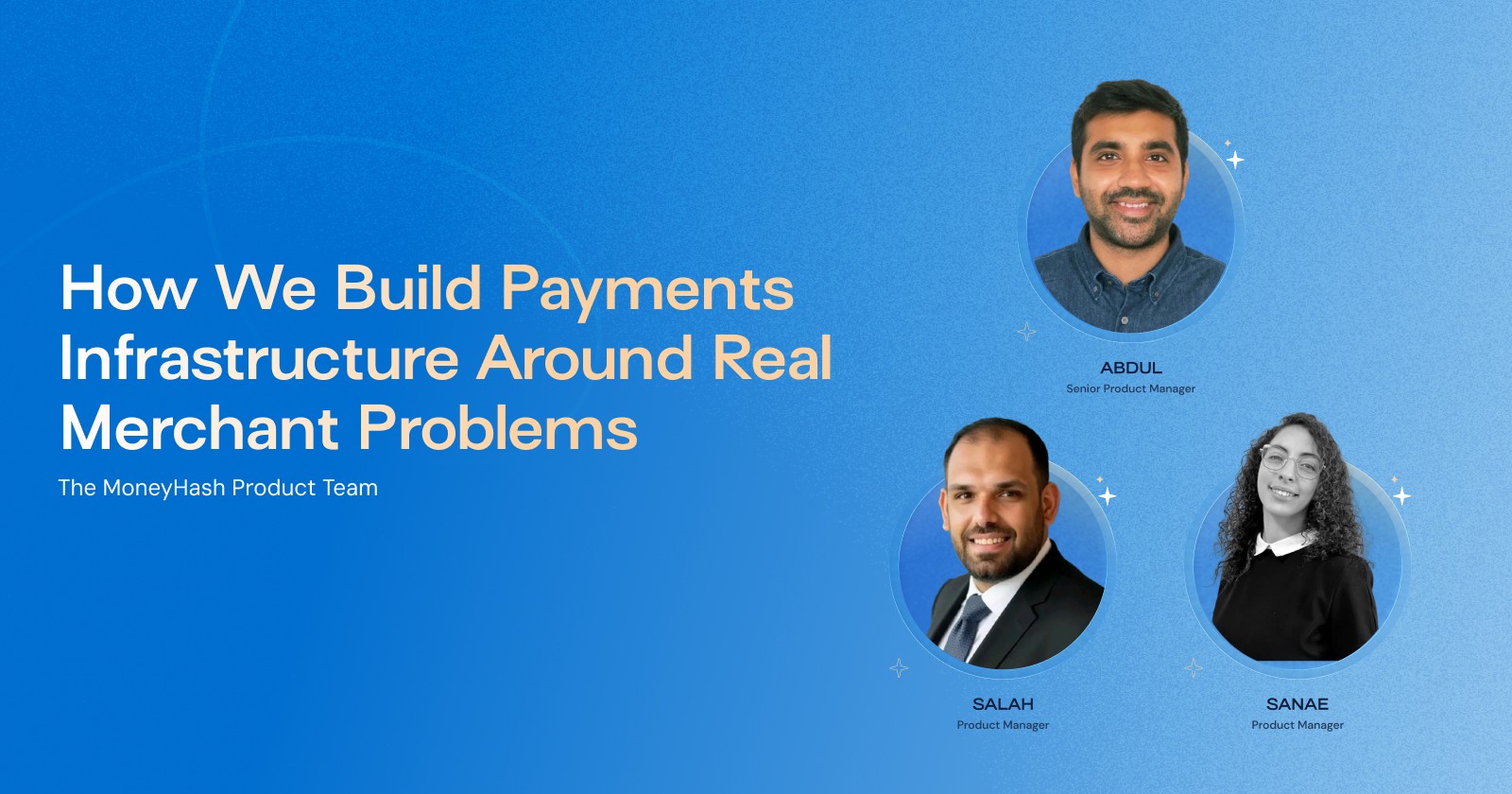
In the past months, we've launched and constantly improved our network tokenization support, dynamic routing intelligence, and built our reconciliation system from the ground up. Payment orchestration brings all these features together - every decision we make works toward better outcomes, with merchants and PSPs experiencing authorization rates improving by up to 10%, processing costs drop by 15%, and reconciliation time cut in half.
These aren't just features we shipped. They're solutions to specific friction points we watched merchants deal with every single day.
Why “User-Centered” Matters More in Payments Than Most People Realize
“User-centered” gets thrown around a lot in tech. But in payments, it has a very concrete meaning for us. It means spending real time with merchants. Sitting with them. Watching how they work. Seeing where their day breaks. They don’t wake up wanting more dashboards. They wake up dealing with payment failures, settlement gaps, or reconciliation that eats hours every week.
The principle is simple:
If merchants are still thinking about payments, we haven’t done our job.
User-centered work means:
Understanding the root cause of friction, not just the surface request.
Solving operational pain, not just building shiny features.
Paying attention to the smallest UX detail, because error messages matter as much as APIs.
Digging into the workflow under the workflow.
This mindset shapes every product decision we make, from the way routing is visualized, to how error codes are normalized, to how friction is removed from daily tasks. Merchants don’t want more complexity. They want reliability, which is why we hold ourselves to 99.9% uptime. If the system fades into the background, it’s doing its job.
How Merchant Needs Shape Product Decisions
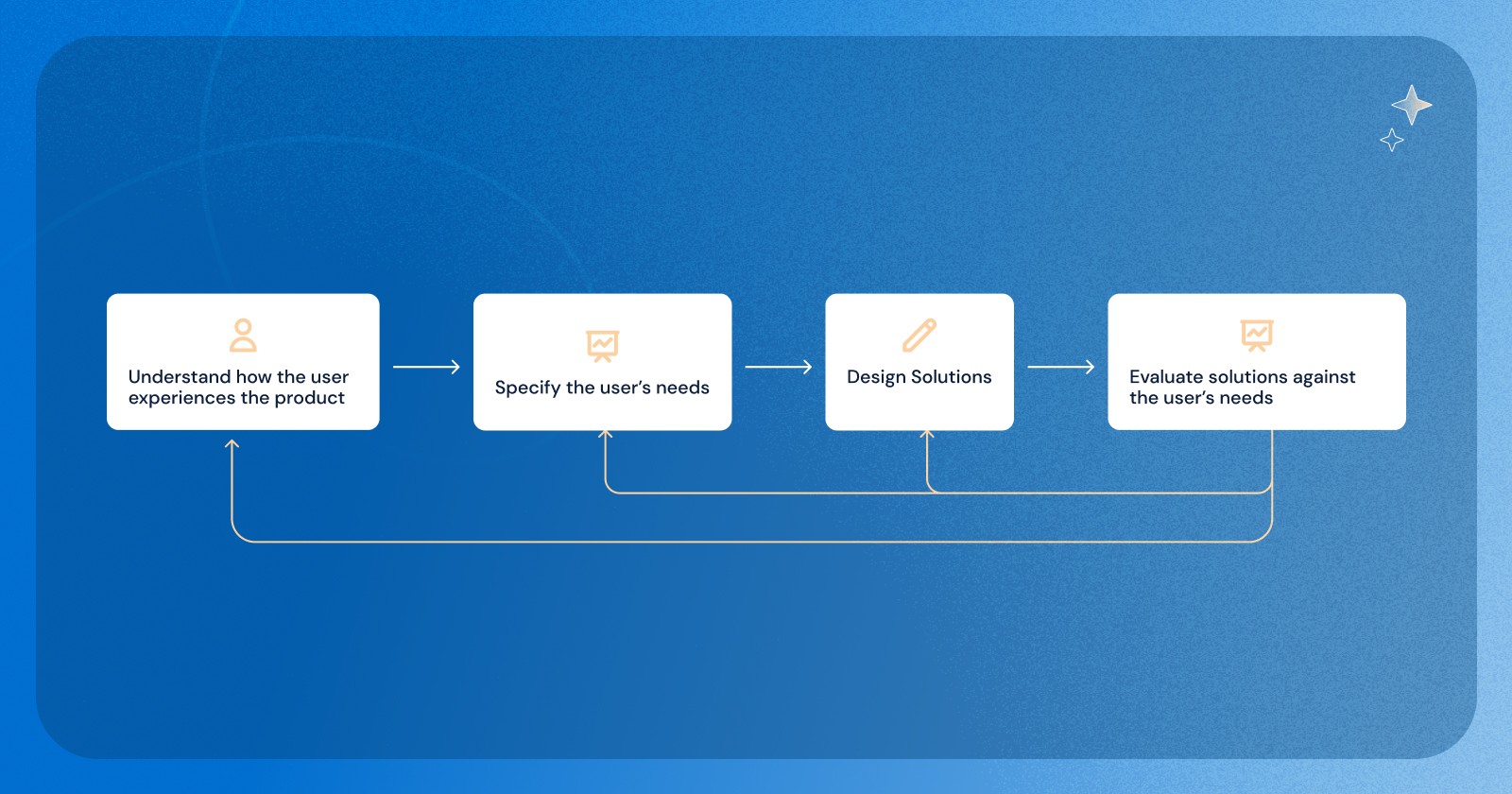
In practice, user-centricity means we’re obsessed with removing friction, not adding functionality for the sake of it. A merchant might ask for “faster payouts.” But the real problem could be cash flow gaps, reconciliation issues, or delays from downstream partners. Solving the wrong thing helps no one.
So we go deeper:
What exactly is breaking in the workflow?
What part should be automated?
What part needs better visibility?
What part is simply too manual for the volume the merchant handles?
This approach led to many of the products that today feel standard in our platform - reconciliation tools, BIN lookup, Apple Pay self-serve, network tokens, and more. They all started with watching a merchant navigate a problem that shouldn’t have existed. Often these improvements lead to direct performance gains - smoother checkout experiences can boost conversion meaningfully. We’ve seen routing and experience improvements contribute to 25% higher conversion for some merchants.
Balancing Individual Needs With a Scalable Platform
Every merchant’s problem feels unique in the moment. But our job is to find the pattern behind the pain.
When a merchant asks for something, we look for the universal principle inside the request. If solving it properly would help many others, we build it flexibly. The goal is configuration, not custom code.
But sometimes we do build specifically. There are cases where a certain market, vertical, or PSP quirk requires breaking the pattern. When we co-build with a merchant in these situations, the outcome often evolves into a product that later benefits dozens more.
And when we generalize well, merchants end up cutting engineering waste. In many cases, using MoneyHash trims development hours so significantly that, over just a few months, the reduction often reaches around 90% compared to building direct integrations in-house.
The Technical Complexity We Absorb So Merchants Don’t Have To
When infrastructure works well, merchants don’t think about it. But to make it feel that simple, a lot is happening behind the scenes.
1. Normalizing the Chaos Across PSPs
Every PSP behaves differently. Error codes, payloads, formatting - none of it is consistent. We translate everything into one clean schema. That clarity plays a significant role in reducing fraud, minimizing false declines, and avoiding unnecessary routing failures.
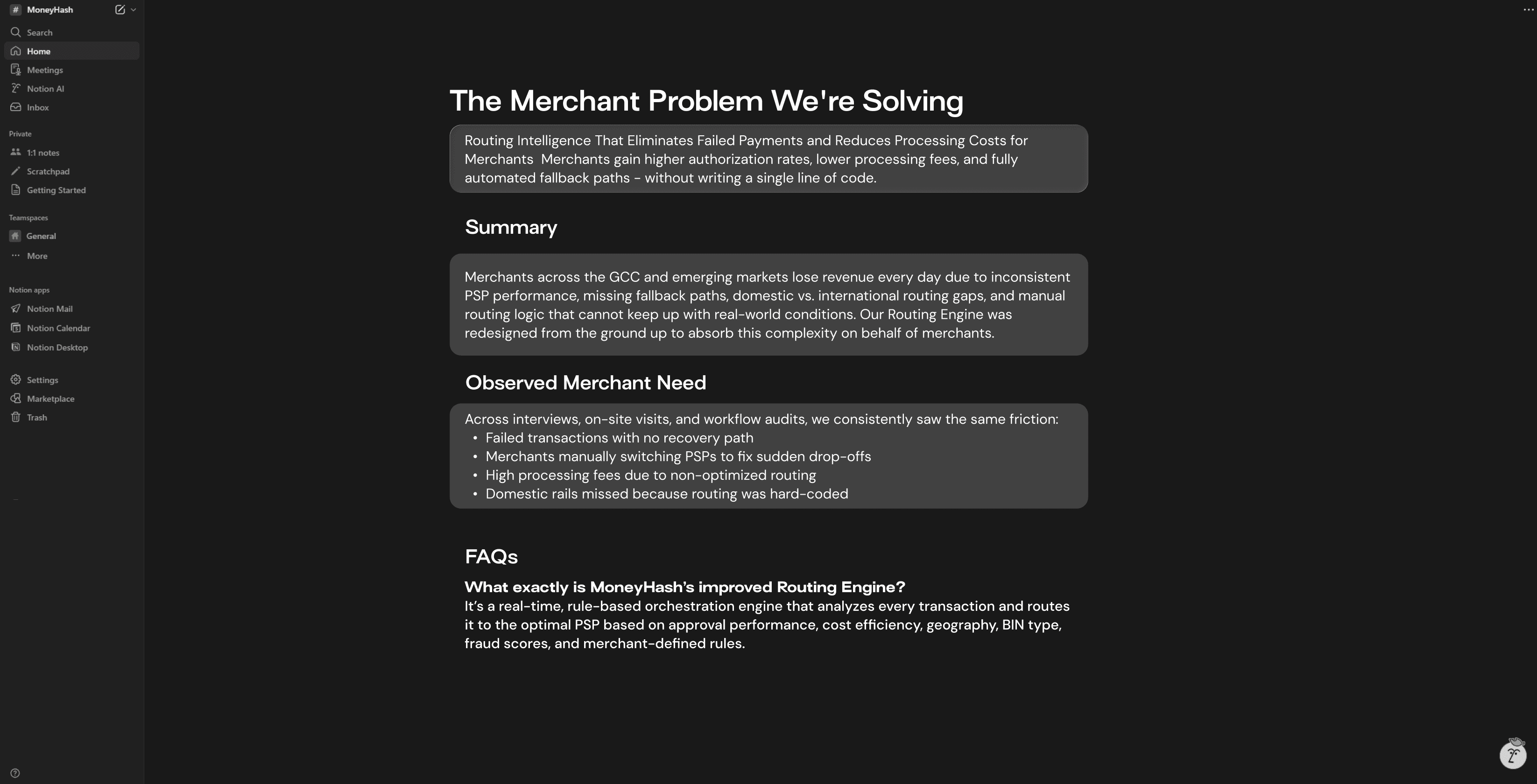
2. Routing Intelligence That Adapts Instantly
Our routing engine is one of the most powerful tools we’ve built and one of the most expensive things for merchants to build in-house. It gives them control over their entire payment flow without writing any code.
Behind the scenes, routing is also one of the most complex things we maintain and one of the most impactful.
Approval rates shift by the hour.
PSPs have outages and recoveries.
Costs fluctuate across markets.
Local rails behave differently from one country to another.
The routing engine monitors these patterns constantly and executes the merchant’s rules in real time. That’s one of the reasons some merchants see 10% authorization uplift and 25% higher conversion with no changes to their frontend. And because routing can automate fallback logic, many merchants recover revenue that would have been lost.
It also strengthens PSP partnerships. When a merchant can direct traffic intelligently, PSPs become more visible, more accessible, and more likely to win volume they’re best suited for. It’s a win for both sides.
3. Data Consistency and Clean Reporting
We reconcile data between our system, the PSP, and the acquirer so merchants don’t have to chase missing records or match multiple dashboards. And when merchants don’t need to manually reconcile across systems, support costs drop, errors shrink, and churn falls. For some, this contributes to up to 15% lower churn.
We Also Build for PSPs, Acquirers, and Aggregators
Merchants are one side of the story. PSPs, acquirers, and aggregators are the other.
We treat them as partners, not vendors. And the question becomes: how do we help them shine?
Distribution and Faster GTM - PSPs get access to merchants across global and emerging markets - without spending years building custom integrations. In many cases, this “one integration, many merchants” model leads to 80% faster go-to-market for PSPs.
Reduced Integration Fatigue - Merchants integrate once with MoneyHash. PSPs benefit because onboarding new merchants becomes easier.
Quality Volume - Routing intelligence ensures acquirers receive transactions where they perform best. Better alignment usually means less churn and fewer disputes.
Operational Support - We handle merchant-side troubleshooting when possible, reducing noise for PSPs. Clean integrations also make PSPs look better to merchants. Clear errors. Clean logs. Predictable performance. It all matters.
The Future: Adaptive, Context-Aware Infrastructure
The future of orchestration won’t be static. It will be adaptive.
What works in the UAE doesn’t always work in Egypt. What works in Egypt doesn’t always work in Kenya or Turkey. Emerging markets move fast. Rails evolve. PSP performance shifts. Customer expectations differ.
User-centered design will push infrastructure toward:
localized behavior without manual setup
smarter recommendations based on what’s working
routing that adapts to PSP patterns
intelligence that supports merchants without taking control away
We’re already going in that direction. Our system learns from geography, vertical, and provider behavior. It adjusts intelligently and gives merchants the visibility they need to make the final call. And when complexity fades, merchants often reduce their PCI obligations significantly — in some cases by 100%, because we handle it end-to-end.
Our North Star
Merchants should wake up thinking about their products and customers - not their payments.
If they're still wrestling with failed transactions, reconciliation issues, or complex routing logic, we haven't done our job. When we get this right, the impact is concrete. In our internal ROI model, the combined effect of more intelligent routing, APM expansion, and operational efficiency yielded a 5-8x ROI for mid-market merchants operating across multiple regions.
That’s what building around real merchant problems looks like: infrastructure that feels simple, adapts to context, and quietly delivers results.
If you want to see how this works in practice, you can talk to our team, spin up a sandbox, or book a demo. Most people understand the value much faster once they test it themselves.


Author:

Abdul Ahad Shabbir
Product Lead
A seasoned product manager skilled in creating, scaling, and optimizing impactful products across diverse sectors, including fintech, mobility, e-commerce, and e-health. I have a proven track record in driving user acquisition and user retention, and conducting experiments to enhance activation and adoption rates.